
Microfiber cloths: what GSM means and why yours stopped working

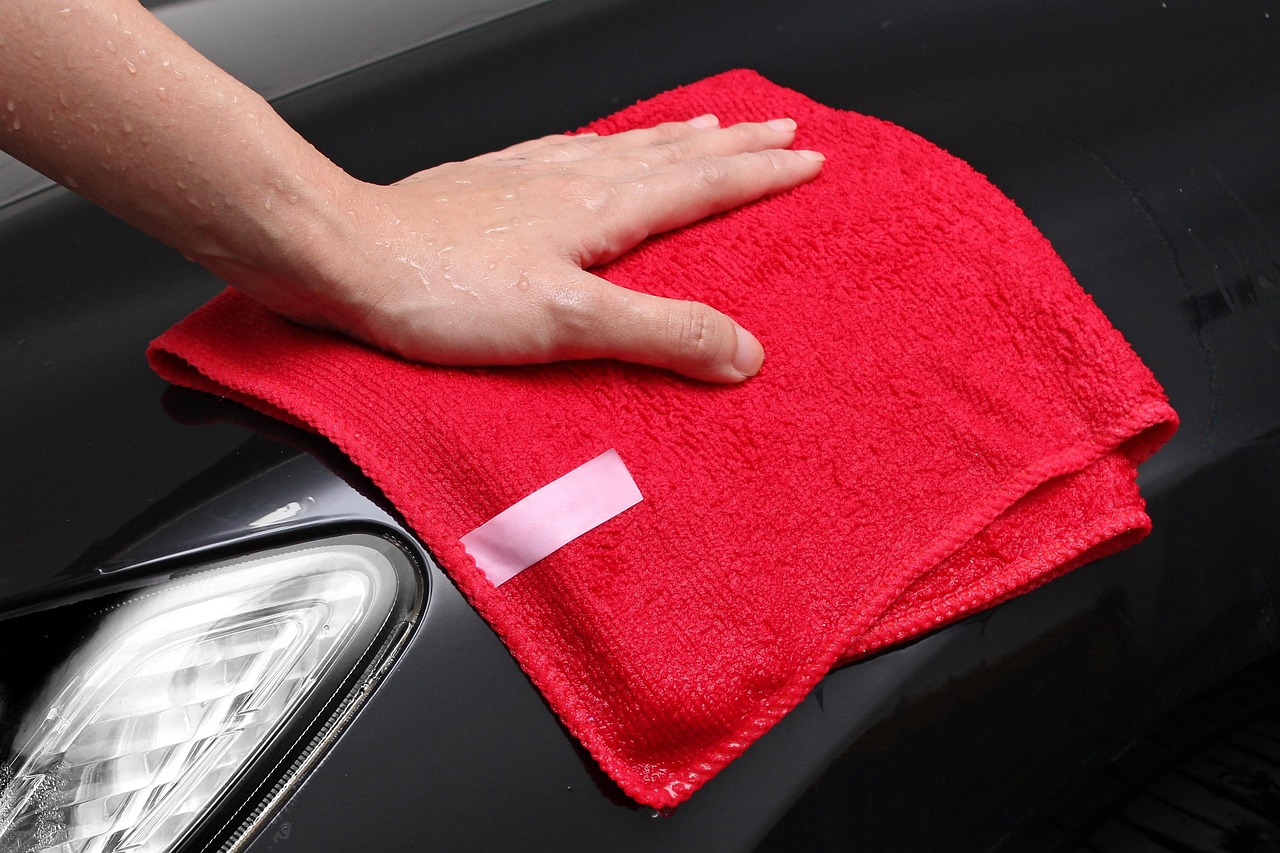
Microfiber is genuinely clever material. Fibres split into strands finer than a human hair create an enormous surface area and a slight electrostatic charge, which is why a damp microfiber cloth lifts dust and grease that a cotton cloth pushes around.
It is also sold in twenty-four packs with no specification beyond a colour, and the difference between a good cloth and a poor one is substantial.
The two numbers that matter
GSM — grams per square metre
Density. A thin cloth at 200 GSM is light, dries fast and is fine for glass. A dense cloth at 400 GSM or more holds much more water and is what you want for spills and general cleaning. Most multipacks sit between 200 and 300 and do not state it at all.
The blend
Polyester scrubs; polyamide absorbs. Blends are quoted as a ratio — 80/20 is the common general-purpose mix, 70/30 holds more water and feels softer. A cloth that is 100 per cent polyester is cheap, and it will smear rather than absorb.
If a listing states neither figure, assume the cloth is at the economical end. That is fine for wiping down a workbench and disappointing on a window.
Different weaves for different jobs
- Flat weave. Smooth, low pile. Glass, mirrors, screens, stainless steel. Leaves no lint and no streaks.
- Terry or looped. The familiar towel texture. General cleaning, spills, worktops. Holds the most water.
- Waffle. Textured pockets. Good for drying and for glass, and it stays flatter than terry against a surface.
- Suede or plush. Dense, short pile. Polishing, car interiors, delicate finishes.
Colour coding is not decoration. Assigning one colour to the bathroom, one to the kitchen and one to general cleaning is the single easiest way to stop cross-contamination, and it is why professional packs come in mixed colours.
How to use them
Damp, not wet. Wring a microfiber cloth out until it is barely moist — a soaked cloth loses the capillary action that does the work and simply spreads water.
Fold into quarters. That gives eight clean surfaces from one cloth, and turning to a fresh face is far more effective than rinsing mid-job.
Wipe in one direction on glass rather than circles, and finish with a dry flat-weave cloth for a streak-free result.
Why yours stopped working
Almost always laundry. The fibres work because they are open and slightly charged, and three things close them up:
- Fabric softener. It coats the fibres deliberately — that is its entire function. One wash with softener will noticeably reduce a microfiber cloth’s absorbency, and it does not fully recover.
- High heat. Polyester melts at modest temperatures. A hot tumble dryer welds the split fibres back together. Wash warm, not hot, and dry on low or hang them.
- Washing with cotton. Microfiber grabs lint, and cotton towels shed it. Wash microfiber separately or the cloths come out furred.
Also avoid bleach, which breaks down the fibres, and avoid washing them with anything greasy — a cloth used on a hob should be rinsed under a hot tap before it goes in a machine load.
When to throw one away
When it stops grabbing. A working microfiber cloth catches slightly on dry skin; a dead one feels slick. When it feels like polyester, it is polyester, and no amount of washing brings it back.
Good cloths survive several hundred washes with the routine above and perhaps thirty without it, which is most of the reason people believe microfiber is a con.
How many, and which
A sensible household set is a dozen general-purpose terry cloths in two or three colours, four flat-weave for glass and screens, and two plush for polishing. That covers everything and costs less than a year of paper towels.
Our multipacks state the pack count and the dimensions, and where the manufacturer publishes a GSM figure or a blend ratio, we list it. Where they do not, the listing says so rather than making one up.
Colour coding, and why professionals bother
Commercial cleaning has used colour-coded cloths for decades, and the reasoning transfers directly to a house. A cloth that has been round a toilet rim and a cloth that wipes a worktop should never be the same cloth, and the only reliable way to guarantee that is to make them visibly different rather than relying on memory.
A workable household scheme is three colours: one for bathrooms, one for kitchen surfaces and one for general dusting and floors. Some people add a fourth for glass, simply because glass wants a different weave anyway. Keep each colour in its own place — a hook, a drawer divider, a labelled box — because a shared pile defeats the whole exercise within a fortnight.
This also makes laundry easier. Wash the bathroom colour separately from the rest, on a warmer cycle, and the kitchen cloths never share a drum with them. It costs nothing and it removes the one genuine hygiene risk in reusable cloths.
Common questions
Why do my microfiber cloths stop absorbing?
Fabric softener or a hot tumble dryer, almost every time. Softener coats the fibres deliberately and heat welds the split fibres closed. Wash warm without softener and dry on low or on a line.
What GSM should I look for?
Around 300 or above for general cleaning and spills, where you want the cloth to hold water. Around 200 to 250 for glass and screens, where a thinner, flatter cloth leaves fewer streaks.
Can I wash microfiber with towels?
Better not to. Microfiber attracts lint and cotton towels shed it, so the cloths come out furred and work less well. Wash them as their own load.
Browse the range: all products · about Falcon Appliances · ask us a question.